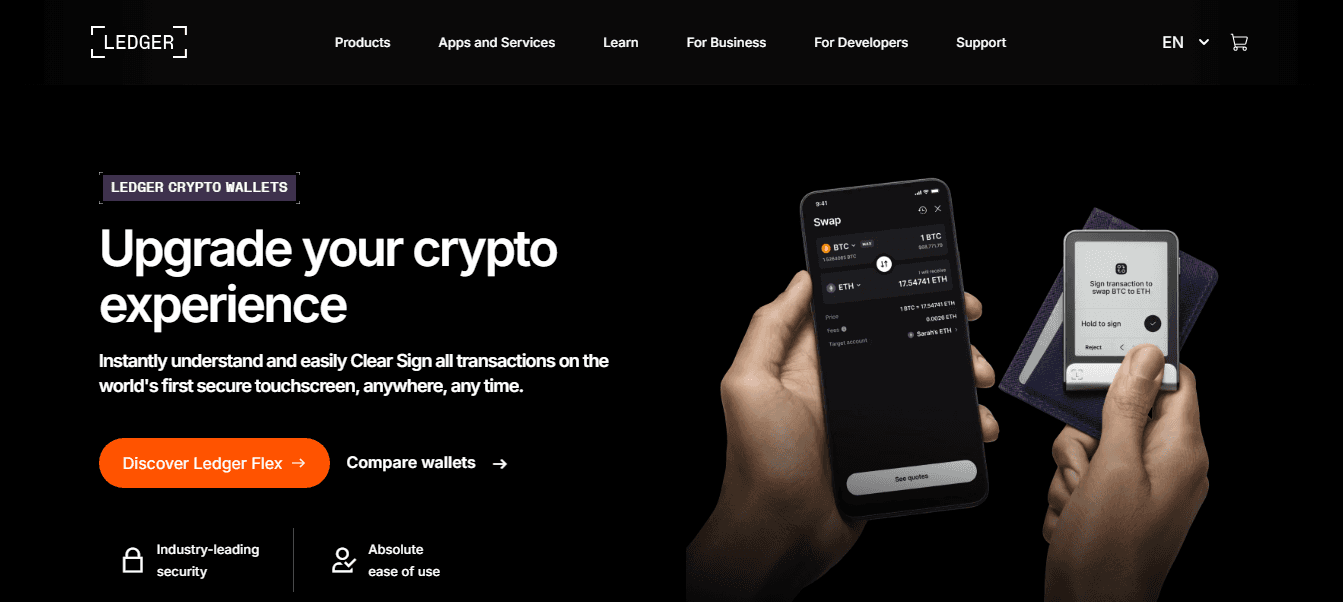
Ledger.com/Start –
Introduction
Decentralized finance empowers individuals to manage digital wealth independently. But independence comes with responsibility: if cryptocurrency is not stored securely, it can be stolen or lost forever. Hardware wallets exist to solve this challenge by keeping private keys offline, where online attackers cannot reach them. Among the most well-known hardware wallets in the world is Ledger, trusted by investors who want high-level protection without sacrificing usability.
The onboarding process for every Ledger device begins at Ledger.com/start, which provides a structured path for activating and securing the wallet. Whether the user purchased a Ledger Nano X or Nano S Plus, the goal of this setup page is to make sure the wallet is initialized safely and that the owner—not a third party—remains in full control of the recovery phrase and private keys.
Purpose of Ledger.com/Start
The setup guidance at Ledger.com/start serves several important objectives:
Helping users activate their Ledger wallet correctly
Teaching beginners how offline key management works
Preventing activation through unofficial websites or unsafe tutorials
Ensuring the recovery phrase remains private and secure
Verifying that the Ledger device and software are authentic
Because cryptocurrency holdings rely on irreversible transactions, strong onboarding is more than convenience—it is fundamental security.
What You Need Before Starting Setup
To follow the onboarding process smoothly, users should prepare the following:
ItemWhy It’s ImportantLedger Nano hardware walletStores private keys offlineA computer or mobile deviceRequired for Ledger LiveUSB cableConnects wallet to the devicePen and paperTo record the recovery phraseA distraction-free environmentEnsures careful attention to security steps
Preparing these items in advance helps avoid rushed decisions, especially during the recovery phrase step.
Complete Setup Walkthrough via Ledger.com/Start
1. Power On and Connect the Ledger Wallet
Once connected, the device displays on-screen prompts for first-time startup. Buttons on the device are used for navigation, ensuring direct control without interacting through a web browser.
2. Install the Ledger Live Application
Ledger Live is the companion software that bridges your blockchain accounts with your hardware wallet. It is the only official interface for managing supported assets.
3. Choose Between New Wallet or Recovery
The user selects one of two options:
Set up a brand new wallet
Restore a previous wallet using an existing recovery phrase
Regardless of the choice, all key-related actions happen directly on the hardware wallet. This ensures that sensitive information never leaves the secure chip.
4. Create a Device PIN
The PIN controls physical access. Each time the device powers on, the PIN must be entered. If an unauthorized person finds the wallet, the PIN protects its contents.
5. Write Down the Recovery Phrase
The Ledger device generates a set of words that function as the sole backup to the wallet. This recovery phrase must be written down exactly and preserved offline. No screenshotting, no storing on a computer, and no photographing—offline is the only safe method.
6. Connect the Device to Ledger Live
After securing the wallet, the final setup step is to pair it with Ledger Live. Users can then add cryptocurrency accounts, install blockchain apps, and begin transactions that require physical confirmation on the wallet to proceed.
Life After Setup – Using Ledger Live with the Hardware Wallet
Once onboarding is complete, Ledger Live becomes the main interface for managing crypto holdings.
Key features include
At-a-glance portfolio overview
Price charts and performance monitoring
Installing blockchain support apps
Sending and receiving crypto with device confirmation
Staking supported assets
Managing NFTs on compatible networks
Transaction history and balance tracking
Because no crypto leaves the wallet without manual approval on the device, ownership always remains in the user’s hands.
Why Ledger Provides Strong Crypto Protection
Ledger wallets are trusted globally because of their layered approach to safeguarding private keys.
Security layers
Protection TypeSecurity BenefitOffline private key storageEliminates online hacking riskSecure element chipResists physical extraction attemptsPIN lockStops unauthorized accessRecovery phrase backupEnsures recoverability even if the device is lostManual approval of transactionsPrevents remote transfers
Instead of trusting a server or browser wallet, Ledger gives users direct ownership backed by robust cryptographic hardware.
User Responsibilities for Maximum Security
Technology provides defense, but user habits determine long-term safety. Anyone using a Ledger wallet should commit to the following best practices:
🔹 Never disclose the recovery phrase to another person
🔹 Never store the phrase digitally on a device or cloud service
🔹 Never type the phrase into a computer or website
🔹 Keep the physical wallet somewhere safe when not in use
🔹 Stay alert to scams impersonating technical support
🔹 Only rely on official instructions for updates and setup
The recovery phrase grants full control over assets—keeping it confidential is non-negotiable.
Common Errors to Avoid During or After Setup
Losing funds from a hardware wallet rarely occurs because of a flawed device—almost always it stems from user mistakes. Some of the most harmful include:
❌ Saving the recovery phrase in an email or online file
❌ Entering the phrase into a form claiming to “help restore wallet access”
❌ Allowing another person to take part in the setup process
❌ Purchasing a hardware wallet from unknown sellers that may have tampered devices
❌ Searching online for “wallet recovery services”
Most scams target recovery phrases, because that is the only way to take control of the wallet.
Who Should Consider Using Ledger
Ledger is suitable for nearly every type of investor or crypto user, especially those who prefer long-term asset protection.
Ledger benefits
Long-term holders securing crypto for the future
Individuals concerned about hacking or exchange failures
Users storing large balances
People collecting NFTs or interacting with Web3 platforms
Businesses receiving payments in crypto
Newcomers looking for safe self-custody from day one
As cryptocurrency adoption grows, hardware wallets are becoming the standard for responsible digital asset management.
Final Thoughts
Ledger.com/start represents more than the activation of a new device—it is the first step toward taking true ownership of digital wealth. The setup process teaches users how to protect the recovery phrase, how to keep private keys offline, and how to interact with cryptocurrency safely through Ledger Live. Once the wallet is set up, users gain both flexibility and long-term protection, knowing that their crypto remains under their sole control.
Self-custody is the foundation of digital finance, and a properly configured Ledger wallet gives users the confidence that their assets are protected today, tomorrow, and well into the future.